

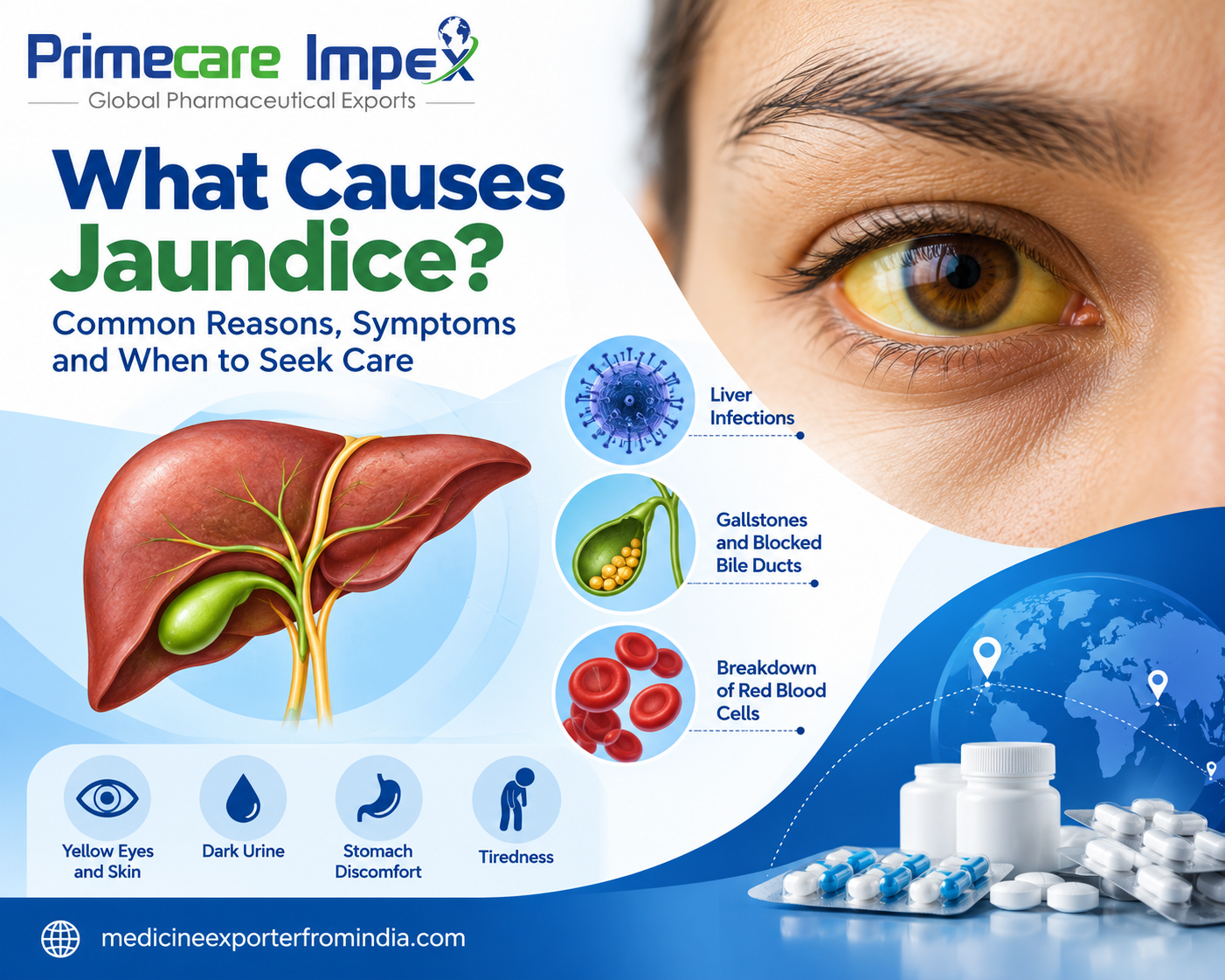
What Causes Jaundice and When Should You Seek Care
Seeing a yellow colour in your eyes or skin can be worrying, especially when you do not know why it is happening. This change may be caused by jaundice, a condition that occurs when too much bilirubin collects in the blood. Jaundice can develop at any age. It is often seen in newborn babies, but adults can also experience it because of certain health conditions. Sometimes, the yellow colour appears along with tiredness, dark urine, or stomach discomfort. In other cases, a person may notice very few symptoms. Knowing what causes jaundice and recognising changes in your body can help you decide when to visit a doctor.
Understanding Jaundice: What Happens Inside the Body?
Our body regularly replaces old red blood cells with new ones. When old blood cells break down, they release a yellow substance known as bilirubin. The liver helps process this substance and allows the body to remove it through bile. When this process does not work as it should, bilirubin can start collecting in the bloodstream. When bilirubin builds up in the body, the eyes and skin can turn yellow. This condition is called jaundice. Jaundice is not a separate disease. Instead, it is a visible sign that something may be affecting the liver, blood cells or bile ducts.
What Are the Common Causes of Jaundice?
There is no single reason why someone develops jaundice. The problem may begin in the liver, involve the breakdown of blood cells or result from a blockage that prevents bile from flowing normally.
Here are some possible causes of jaundice.
1. Hepatitis and Other Liver Infections
The liver performs several important functions, including processing bilirubin. When the liver becomes inflamed because of an infection, it may struggle to perform these functions properly. Hepatitis A, B, and C are viral infections that can cause swelling in the liver. Along with jaundice, some people may experience nausea, poor appetite, tiredness, or pain in the upper abdomen.
2. Gallstones Blocking the Bile Duct
The gallbladder keeps bile, a liquid that helps your body break down fat from food. Sometimes, small hardened deposits called gallstones develop inside it. If a gallstone moves into a bile duct and blocks it, bile cannot flow normally. This may cause bilirubin to build up in the blood. A blocked bile duct can also cause stomach pain, dark urine and unusually light-coloured stools.
3. Long-Term Liver Conditions
The liver may become damaged because of ongoing health problems. For example, cirrhosis causes scarring of liver tissue and can affect the way the liver works. As liver function becomes weaker, the body may find it harder to process bilirubin. This can eventually lead to jaundice.
4. Liver Problems Linked to Medicines
Medicines are used to manage many health conditions, but certain medicines can sometimes cause liver injury. When this happens, the liver may not handle bilirubin properly. The risk depends on the medicine, the person's health and other factors. Anyone who notices yellow eyes or skin after starting a medicine should contact a doctor promptly. Do not stop taking your medicine or change how you take it without asking your doctor first.
5. Faster Breakdown of Red Blood Cells
Red blood cells have a limited lifespan. Once they become old, the body breaks them down and replaces them. Some blood-related conditions make this process happen much faster. When large numbers of red blood cells break down, the body produces extra bilirubin. If the liver cannot process this amount quickly enough, jaundice may develop.
6. Blockage or Narrowing of Bile Ducts
Bile travels from the liver through small passages called bile ducts. When these small tubes become blocked or too narrow, bilirubin cannot leave the body easily. Inflammation, gallstones and certain growths can affect the bile ducts. A doctor may suggest some tests to find out why the bile duct is blocked.
How Can You Recognise the Symptoms of Jaundice?
The most familiar sign of jaundice is a yellow appearance of the eyes or skin. Some people may also notice other symptoms, depending on the cause of jaundice.
Common jaundice symptoms include:
- Yellowing of the whites of the eyes
- Skin appearing yellow
- Urine becoming darker than usual
- Stools looking pale or clay-coloured
- Unexplained itching
- Feeling tired or weak
- Reduced interest in food
- Nausea or vomiting
- Discomfort in the stomach area
These symptoms do not always appear together. Some people may notice a change in eye colour first, while others experience several symptoms at the same time. Because similar symptoms can occur with other health conditions, a medical examination is important.
Why Do the Eyes Become Yellow During Jaundice?
One of the first changes people may notice is a yellow tint in the white part of the eyes. This happens because bilirubin has increased in the bloodstream. As the amount rises, the yellow colour may become more visible in the eyes and skin. Unlike common eye irritation, jaundice-related yellowing is not usually caused by dust, screen use or lack of sleep. Even when there is no eye pain, a new yellow colour should be checked by a healthcare professional.
Is Jaundice Different in Babies and Adults?
Jaundice can affect people of different ages, but its causes and treatment needs are not always the same.
Jaundice in Adults
In adults, jaundice may develop because of hepatitis, gallstones, liver damage, blood disorders or problems with the bile ducts. Jaundice in adults should be medically evaluated, as it may indicate an underlying condition requiring treatment.
Jaundice in Newborn Babies
Newborn babies commonly develop jaundice during their first few days of life. This happens partly because their liver is still learning to process bilirubin efficiently. Many babies improve without treatment, but some require phototherapy or other medical care. High bilirubin levels can be harmful to babies if they are not managed properly. A newborn with yellow skin or eyes should be assessed by a healthcare professional. Jaundice during the first 24 hours after birth, difficulty feeding, unusual sleepiness or signs of illness require urgent attention.
When Should You Visit a Doctor for Jaundice?
Yellowing of the eyes or skin should never be treated as an ordinary colour change. For adults, new jaundice is a reason to arrange a prompt medical assessment, even if there are no other symptoms. Some warning signs need emergency medical attention.
These include:
- Strong or sudden abdominal pain
- High fever with chills
- Confusion or difficulty staying awake
- Unusual or heavy bleeding
- Severe weakness or rapidly worsening health
Such symptoms may point to a serious medical problem.
Seeking help early allows doctors to investigate the cause and decide on suitable treatment.
What Tests Help Doctors Identify Jaundice?
A doctor may first ask when the symptoms started and whether the person has experienced any recent illness. They may also ask about medicines, alcohol consumption and previous liver problems. After examining the patient, the doctor may recommend certain tests.
Bilirubin Test: Checks how much bilirubin is present in the blood.
Liver Function Tests: Measure substances in the blood that can help doctors assess liver health.
Complete Blood Count: Provides information about blood cells and may help identify blood-related problems.
Abdominal Ultrasound: Helps doctors examine the liver, gallbladder and bile ducts.
Hepatitis Screening: May help identify viral infections affecting the liver.
The choice of tests depends on the person's symptoms and medical history.
What Treatment Is Available for Jaundice?
There is no single medicine or treatment that works for every case of jaundice. Doctors focus on finding and managing the condition responsible for the rise in bilirubin. For example, someone with a blocked bile duct may need a medical procedure to clear the blockage. A person with hepatitis may require monitoring, supportive care or specific treatment, depending on the type of infection. If a medicine is causing liver injury, a doctor may need to review the treatment. Certain blood disorders require their own medical management. For newborn babies, phototherapy is sometimes used to help lower bilirubin levels. The right jaundice treatment depends on the cause and the patient's overall condition. Trying home remedies without understanding the reason for jaundice may delay necessary care.
Everyday Ways to Take Care of Your Liver
A healthy lifestyle cannot prevent every condition that causes jaundice. However, a few regular habits may help maintain good **liver health**.
Choose Nutritious Foods
Eating a balanced variety of vegetables, fruits, whole grains and other healthy foods supports general health.
Stay Hydrated
Drink enough water throughout the day to maintain normal hydration. Water supports the body's everyday functions but does not directly cure jaundice.
Limit Alcohol
Excessive alcohol intake can harm the liver. Avoiding alcohol is especially important when liver disease is present.
Be Careful With Medicines
Follow the recommended instructions for medicines and avoid taking unnecessary supplements or medications without professional advice.
Maintain Good Hygiene
Regular handwashing and consuming safe food and water can help lower the risk of certain infections, including hepatitis A.
Ask About Hepatitis Vaccination
Vaccines are available for hepatitis A and hepatitis B. A healthcare professional can advise whether vaccination is recommended. These habits may help protect liver health, but they are not a replacement for medical treatment.
Frequently Asked Questions
1. Why does jaundice happen?
Jaundice develops when bilirubin collects in the bloodstream. This may happen because the liver cannot process it properly, red blood cells break down too quickly or bile cannot flow normally.
2. Can someone have jaundice without feeling sick?
Yes. Some people may notice yellow eyes or skin without feeling particularly unwell. However, adults with new jaundice should still seek medical assessment.
3. Does jaundice spread from one person to another?
Jaundice itself cannot spread between people. However, certain infections responsible for jaundice, including some forms of hepatitis, can be transmitted.
4. Are yellow eyes always a sign of jaundice?
Not always. Other conditions may change the appearance of the eyes. A doctor can determine whether the yellow colour is caused by increased bilirubin or another problem.
5. How much time does jaundice take to improve?
There is no fixed recovery period. Improvement depends on the underlying cause, how serious it is and the treatment required.
Conclusion
Jaundice is a sign that the amount of bilirubin in the blood has become higher than normal. It may occur because of liver infections, gallstones, blood disorders or other conditions affecting the body's ability to remove bilirubin. Changes such as yellow eyes, dark urine, pale stools and unusual tiredness deserve attention. Knowing what causes jaundice can help people recognise possible warning signs, but only a medical professional can identify the actual reason. If you or someone in your family develops unexplained yellowing of the skin or eyes, seek medical advice promptly. Early diagnosis can make a meaningful difference in managing the underlying condition.