
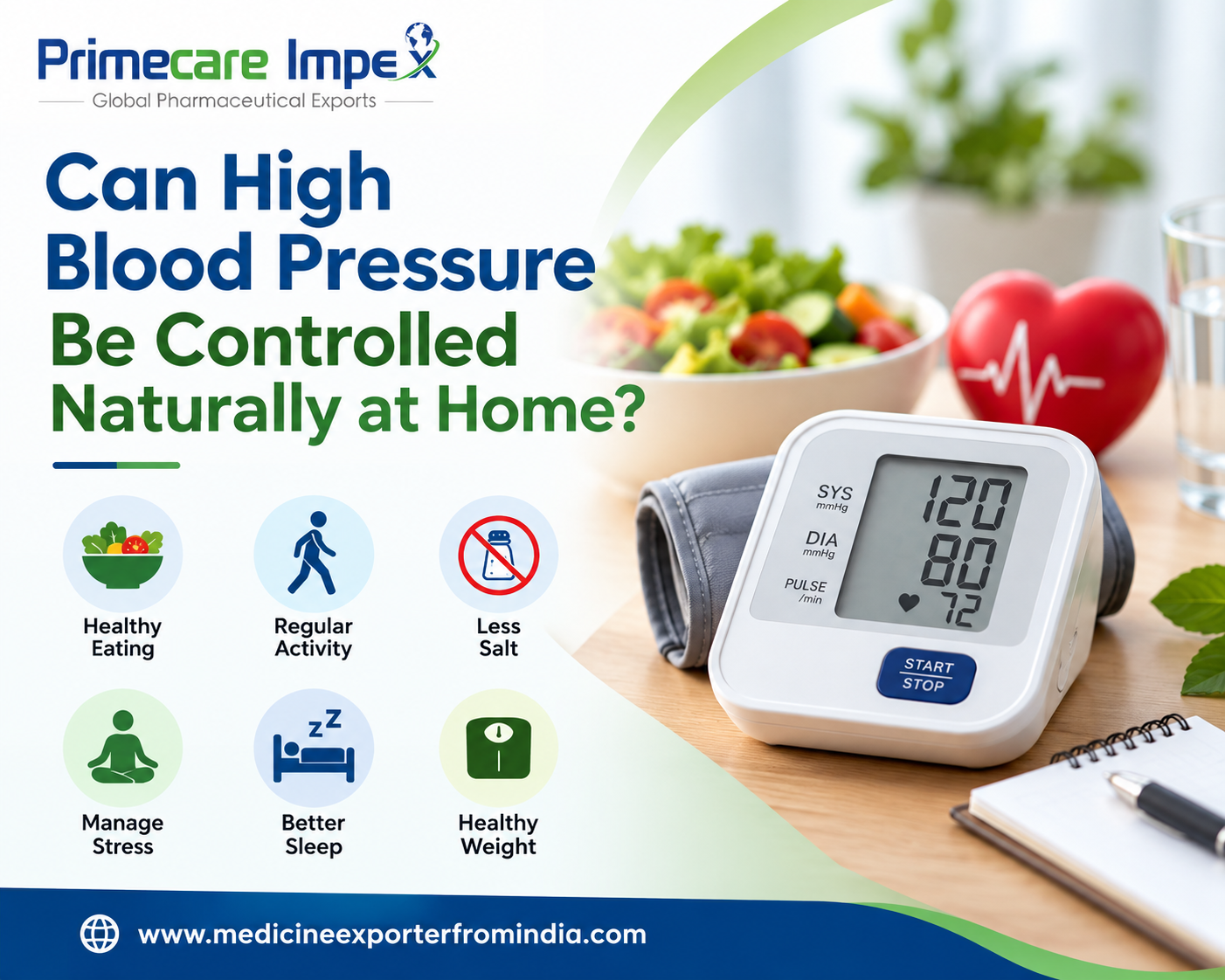
Can High Blood Pressure Be Controlled Naturally at Home?
You may feel healthy, carry on with your usual work, and still have a blood pressure reading that is higher than it should be. This happens because high blood pressure does not always give people a warning that something is wrong. For someone who has recently noticed an increase in their readings, the first question is often whether high blood pressure can be controlled naturally at home. The food on your plate, the time you spend sitting, your sleep schedule, and certain everyday habits can influence blood pressure. Improving these habits may help bring the numbers down. But home care has its limits. Some people can manage mildly raised blood pressure through lifestyle changes, while others need prescribed treatment as well. Knowing what you can safely change at home makes it easier to take care of your health without depending on unproven remedies.
What Do Your Blood Pressure Numbers Mean?
Imagine water flowing through a pipe. As it moves, it puts pressure on the inside of the pipe. Blood creates pressure inside the arteries in a similar way. Your blood pressure reading shows the pressure in your blood vessels when your heart beats and relaxes. A reading such as 120/80 mmHg has two parts. The upper number, 120, represents systolic pressure. It measures pressure while the heart is pumping. The lower number, 80, represents diastolic pressure. It measures pressure while the heart relaxes between beats. Different medical organisations use slightly different ranges to classify blood pressure. Under American Heart Association guidelines, readings starting at 130 systolic or 80 diastolic may be classified as hypertension. A single high blood pressure reading does not always mean there is a serious problem. Blood pressure can change with activity, emotions, caffeine, and the way it is measured. A healthcare professional can assess whether repeated readings indicate hypertension.
Can Healthy Habits Help Lower Blood Pressure?
Yes, lifestyle changes can help reduce blood pressure. However, the results depend on the individual. Consider two people with high readings. One has mildly elevated blood pressure and no major health problems. The other has significantly higher readings and already has a heart or kidney condition. Healthy habits can help both people, but the second person may also need medicine to control their blood pressure. This is why there is no single home method that works for everyone. Instead of trying to bring blood pressure down quickly, the aim should be to develop habits that support healthier readings over time.
Easy Ways to Manage High Blood Pressure at Home
1. Reduce Salt in Your Daily Meals
A meal may not taste particularly salty and still contain more sodium than expected. Packaged snacks, instant soups, ready-made sauces, salted biscuits, and some restaurant meals can add a surprising amount of sodium to your daily diet. Eating too much salt can raise your blood pressure. Start by checking the labels on foods you buy regularly. Compare similar products and choose those with less sodium when possible. At home, try using a little less salt during cooking. Lemon, fresh herbs, and spices can help maintain flavour. The World Health Organization recommends less than 5 grams of salt a day for adults, including the salt already present in food. There is no need to remove all salt from your meals. The goal is to avoid consuming too much.
2. Build Better Everyday Meals
Healthy eating does not have to mean buying expensive foods or preparing complicated recipes. Ordinary meals can provide good nutrition when they contain a variety of vegetables, whole grains, protein sources, and fruit. For example, a lunch of dal, vegetables, and whole-grain roti can be part of a balanced diet. Try including vegetables with your main meals and choosing fruit instead of sugary snacks more often. The DASH eating plan is one approach used to help manage blood pressure. It focuses on vegetables, fruit, whole grains, suitable protein sources, and lower amounts of sodium and saturated fat. Foods containing potassium can also be helpful for blood pressure regulation. However, people with kidney problems or those taking certain medicines may need to limit potassium, so dietary advice should be individualised.
3. Move More During the Day
Think about how many hours you spend sitting. Someone working at a desk may sit through most of the day and then spend the evening watching television or using a phone. You can start by moving around more during the day. You might walk to a nearby shop, take a short walk during a work break, or go outside after dinner. Walking is not the only option. Cycling, swimming, dancing, and other activities that raise your breathing rate moderately can also help. Many adults can work towards 150 minutes of moderate aerobic activity each week, along with strength-building exercise on at least two days. You can divide this activity into shorter sessions rather than doing everything at once. If you have uncontrolled hypertension or a serious heart condition, ask your doctor what level of exercise is suitable.
4. Make Weight Management a Gradual Process
Carrying extra body weight can increase the work your heart needs to do. For people who are overweight, gradual weight loss may help lower blood pressure. You do not need to follow an extreme diet or skip meals to make progress. Try eating regular, balanced meals, paying attention to portion sizes, and staying active throughout the week. Changes that fit comfortably into your daily routine are usually easier to continue. Even if your weight is within a healthy range, it is still important to check your blood pressure because hypertension can affect people of different body sizes.
5. Give Yourself Time to Unwind
A difficult meeting, a busy workday, or an upsetting situation can make your heart beat faster for a while. During stressful moments, blood pressure may rise temporarily. You may not be able to avoid all stress, but simple changes in your daily routine can help you manage it better. For example, take a short break after sitting for several hours, spend time outdoors, or practise slow and comfortable breathing. A relaxing activity such as gardening, listening to music, or talking with family may also help you feel better. These activities can support well-being, but they are not a proven replacement for hypertension treatment.
6. Do Not Ignore Your Sleep Routine
Late nights may become a habit, especially when work, television, or mobile phones keep you awake. But sleep is not simply a break from daily activities. It is important for the body's normal functions, including cardiovascular health. Regularly sleeping too little may increase the risk of high blood pressure. Most adults should aim for around seven to nine hours of sleep. Try keeping a regular bedtime and avoiding caffeine late in the day. If you frequently wake up tired, snore loudly, or have breathing pauses during sleep, discuss these symptoms with a doctor. They may be signs of sleep apnoea.
7. Reduce Habits That Harm Blood Vessels
Smoking affects more than the lungs. It can temporarily raise blood pressure and contribute to damage inside blood vessels. Stopping tobacco use can reduce the risk of heart disease and stroke. Alcohol is another factor worth considering. Drinking large amounts can increase blood pressure, and cutting back may help improve control. If you do not drink alcohol, there is no health reason to begin.
8. Learn to Check Blood Pressure Correctly
A home blood pressure monitor can be useful, but the way you use it matters. For example, checking immediately after climbing stairs may produce a higher reading than checking after sitting quietly. Choose a validated automatic upper-arm monitor with a cuff that fits your arm. Before measuring, avoid exercise, smoking, and caffeine for at least 30 minutes. Sit in a chair with your back supported. Keep both feet on the floor and rest your arm on a table at heart level. After sitting quietly for five minutes, take a reading. Wait about one minute and take another. Record both numbers and follow the monitoring schedule recommended by your healthcare professional. A written record can help your doctor see patterns that may not be obvious from one measurement.
How Soon Might Your Blood Pressure Improve?
It is natural to want quick results after making healthier choices. However, blood pressure does not respond at the same speed in everyone. Some people notice changes after a few weeks of eating less sodium or following a healthier eating plan. Regular exercise and weight management may require more time before the results become consistent. Other factors, including existing illnesses and medicines, can affect the outcome. Rather than checking for a dramatic improvement every day, look at your readings over a longer period and review them with your doctor.
Are Popular Home Remedies Enough?
Garlic, lemon water, herbal drinks, and various supplements are often discussed as natural ways to lower blood pressure. Some foods may be useful as part of a balanced diet, but that does not make them a treatment for hypertension. There is no reliable evidence that a particular drink or household ingredient can safely replace prescribed blood pressure medication. Supplements may also interact with medicines or cause unwanted effects. Be careful with online advice promising to cure high blood pressure within a few days. If you are considering a supplement, check with your doctor or pharmacist first.'
Why Keeping Blood Pressure Under Control Matters
High blood pressure can affect different parts of the body when it remains uncontrolled for a long time. The heart has to work against greater pressure, which can contribute to cardiovascular problems. Blood vessels in the brain may also be affected, increasing the risk of stroke. The kidneys are another important concern. These organs filter waste and excess fluid from the blood. Over time, hypertension can damage the small blood vessels involved in this process. People living with diabetes need to pay particular attention to their kidney health, because diabetes and high blood pressure can both contribute to kidney damage. Managing blood pressure is therefore not only about getting a better number on the monitor. It is also about protecting important organs over the years.
Mistakes Worth Avoiding
A few misunderstandings can make blood pressure management more difficult.
Assuming that feeling fine means everything is normal
High blood pressure often causes no noticeable symptoms. Regular measurements are more reliable than how you feel.
Stopping medicine after a good reading
If your blood pressure has improved while taking prescribed medicine, the treatment may be responsible. Do not stop it without medical advice.
Expecting one healthy meal to change everything
A balanced diet is useful, but long-term habits matter more than occasional changes.
Checking blood pressure repeatedly out of worry
Taking measurements too frequently when anxious can make the numbers difficult to interpret. Follow a consistent routine.
Trusting every natural remedy shared online
Health advice should come from reliable medical sources, especially when it involves changing treatment.
When Is Medical Advice Necessary?
Do not wait for symptoms before discussing persistently high readings with a healthcare professional. If your readings are repeatedly above your recommended target, particularly around 140/90 mmHg or higher, arrange a medical review. If the systolic reading is higher than 180 or the diastolic reading is higher than 120, wait at least one minute and check again. If the reading remains that high, seek immediate medical advice. If severe blood pressure elevation occurs with chest pain, difficulty breathing, sudden weakness, vision changes, or difficulty speaking, seek emergency medical help immediately. Pregnant people and those with heart disease, kidney disease, or diabetes may need different monitoring and treatment plans.
Frequently Asked Questions
1. Can high blood pressure be controlled naturally without tablets?
Some people with mildly elevated readings can reach their recommended blood pressure target through lifestyle changes. Others need medication alongside these changes.
2. Is a morning walk useful for people with hypertension?
Yes. Walking regularly can help improve cardiovascular fitness and support blood pressure control. The time of day is less important than doing it consistently.
3. Do I need to stop eating salt completely?
No. The aim is to reduce excessive sodium intake, not eliminate all sodium. Pay attention to packaged foods as well as the salt used in cooking.
4. Can better sleep help lower blood pressure?
Good sleep supports cardiovascular health. Improving poor sleep habits may help, although some people will still need medical treatment.
5. Is lemon water a treatment for high blood pressure?
No. Lemon water can be part of normal fluid intake, but it has not been proven to treat hypertension.
6. How often should I check my blood pressure at home?
The best schedule depends on your health and treatment plan. Your doctor may recommend checking at particular times and keeping a record for several days.
7. Can high blood pressure come back after it improves?
Yes. Blood pressure may rise again due to changes in health, daily habits, or treatment. Continued monitoring is important even when readings are within the recommended range.